Single Degree
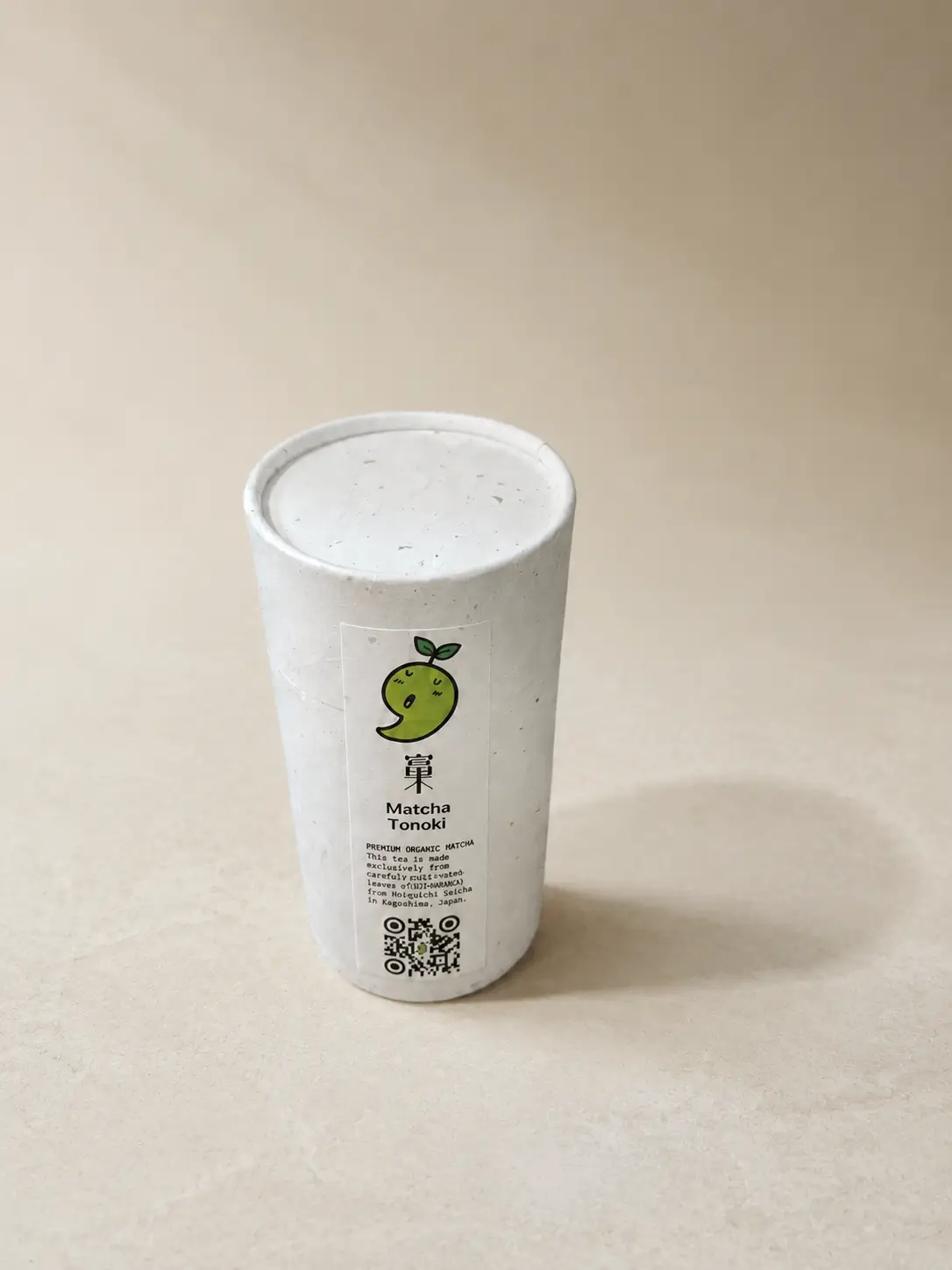
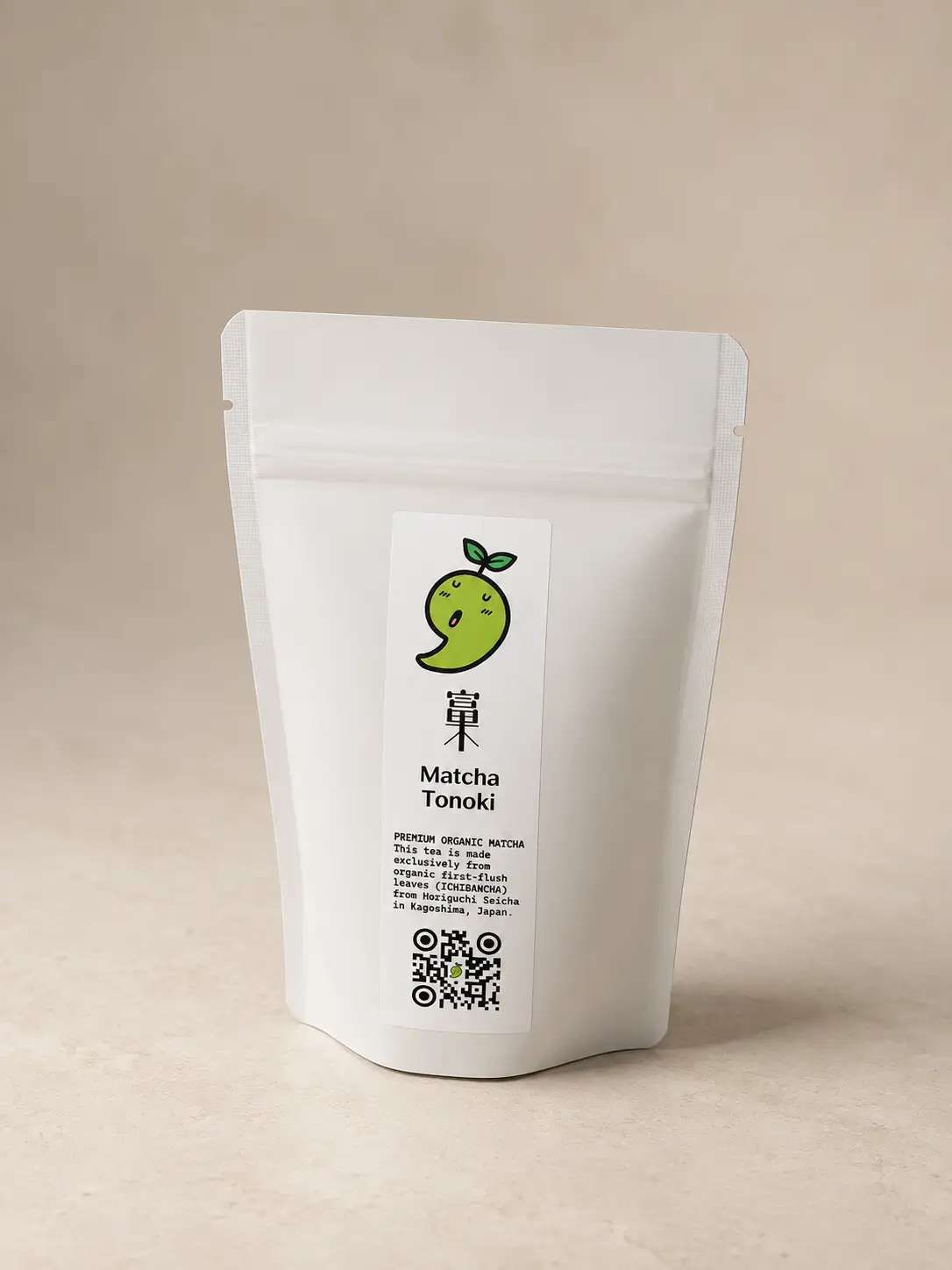
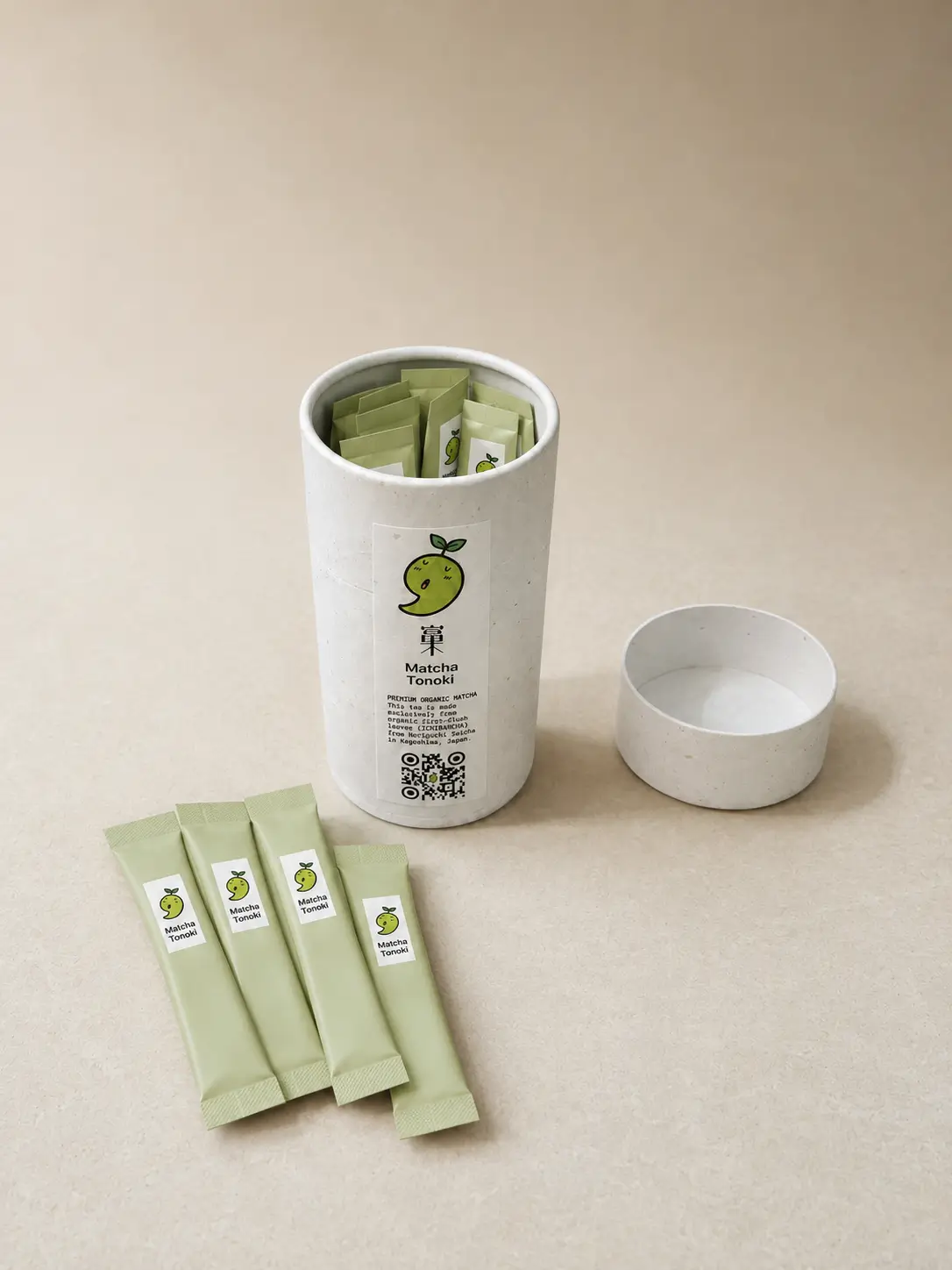
Premium Ceremonial Organic Matcha
One tea only, and it is the top of the tree: organic ichibancha, the first flush, picked once a year and never cut with a later harvest. There is no second tier beneath it because we do not sell one.
It comes from one grower — Horiguchi Seicha, in Kagoshima at the southern end of Japan, where the season opens weeks before the rest of the country and the fields are worked without pesticides. Meet the grower
- Grower
- Horiguchi Seicha
- Harvest
- Ichibancha — first flush, once a year
- Cultivation
- Organic, shade-grown, IPM
- Milling
- Granite stone, 30 g per hour
- Certificate
- TKC-0001
Why the first flush
Sunlight turns theanine — the amino acid behind matcha's sweetness and its steady calm — into
the catechins that taste bitter. A bush spends the winter dormant, storing theanine up. The
first cut takes that store away with it; every later cut grows under a stronger sun on a plant
with less left to give.
First flush · late April
Ichibancha Ours
The winter’s store, cut once. Highest in theanine, lowest in bitterness. This is the only harvest we buy.
Second flush · June
Nibancha
The regrowth, under a stronger sun. More catechin, less theanine — brisker, sharper, and cheaper.
Third flush · July
Sanbancha
Thinner again. Usually bound for blends, bottled tea and everyday grades.
Late leaf and stem
Bancha
What is left when the season is spent. An honest daily tea — but not a ceremonial one.